
Project Kick-Off Meeting
Date
Oct 18th, 2022
Meeting
Spain-Valencia
Location
IRTIC University
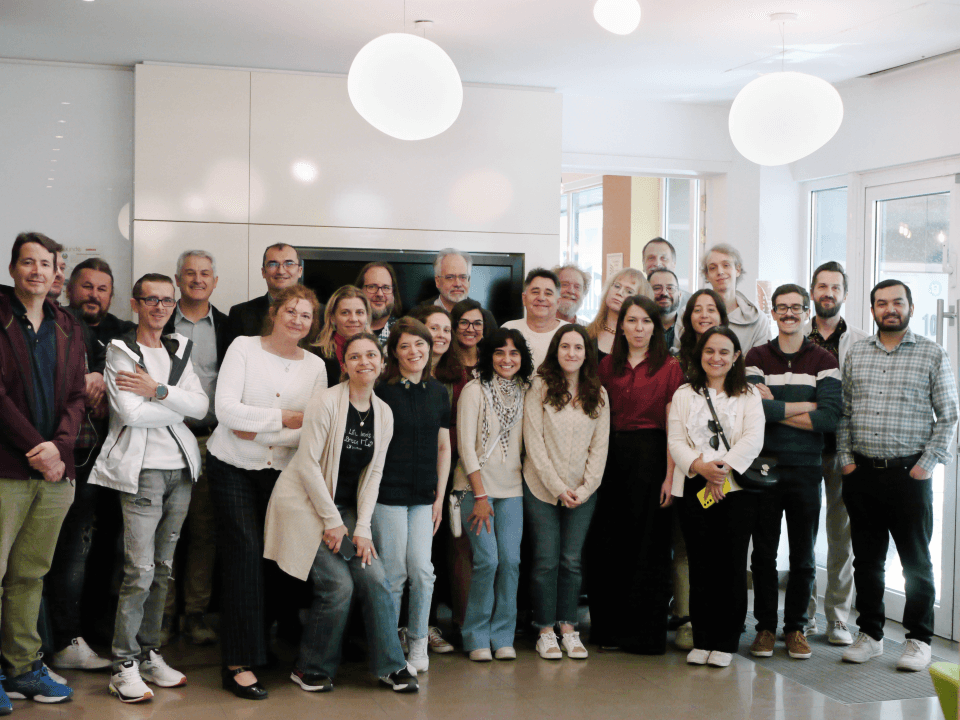
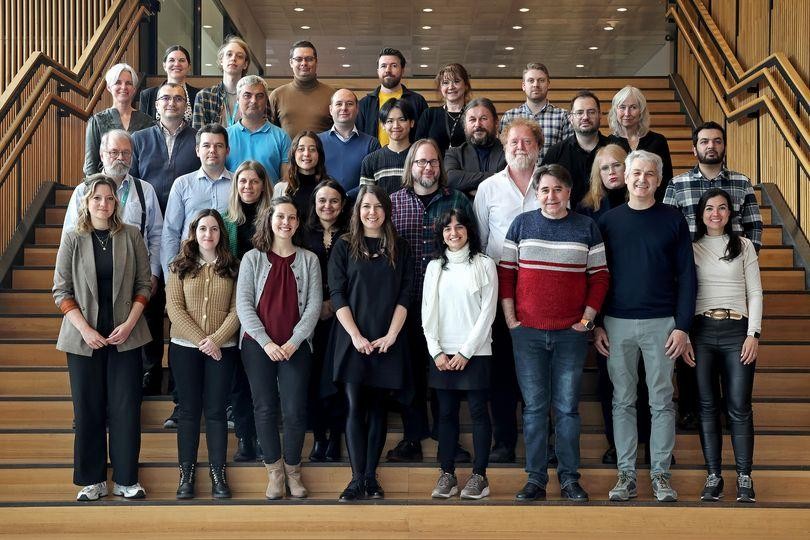
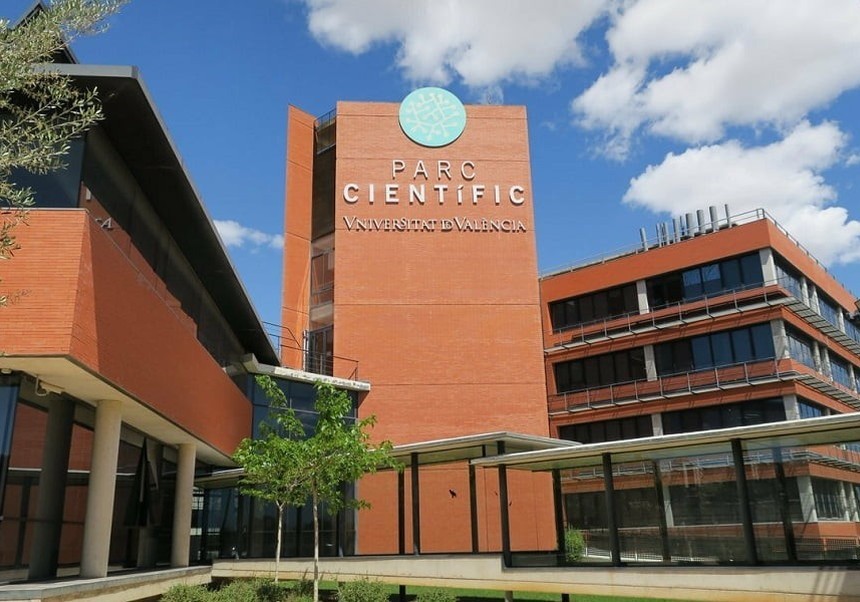
Members of the project “EMPOWER: Design and evaluation of technological support tools to empower stakeholders in digital education” held the first meeting of this consortium, coordinated by the Institute of Robotics and Information and Communication Technologies (IRTIC), on Tuesday 18 and Wednesday 19 October.
During the meeting, held at the research centre’s facilities, the participating entities discussed technical aspects to be developed, the preparation of the necessary reports, and the dissemination activities they will carry out for the initiative.
EMPOWER is an action that aims to develop a technological platform for the assessment and training of executive functions and emotional self‑regulation. In this sense, the project’s research team works with the hypothesis that these are key skills for educational inclusion and academic learning.
The initiative is intended to support children with neurodevelopmental conditions who, together with teachers, psychologists and developers, will co‑design this platform, in which eye‑tracking technologies and other sensors will be used. In addition, the project will design different training materials and carry out several scientific studies aimed at demonstrating the effectiveness of the proposed solution.
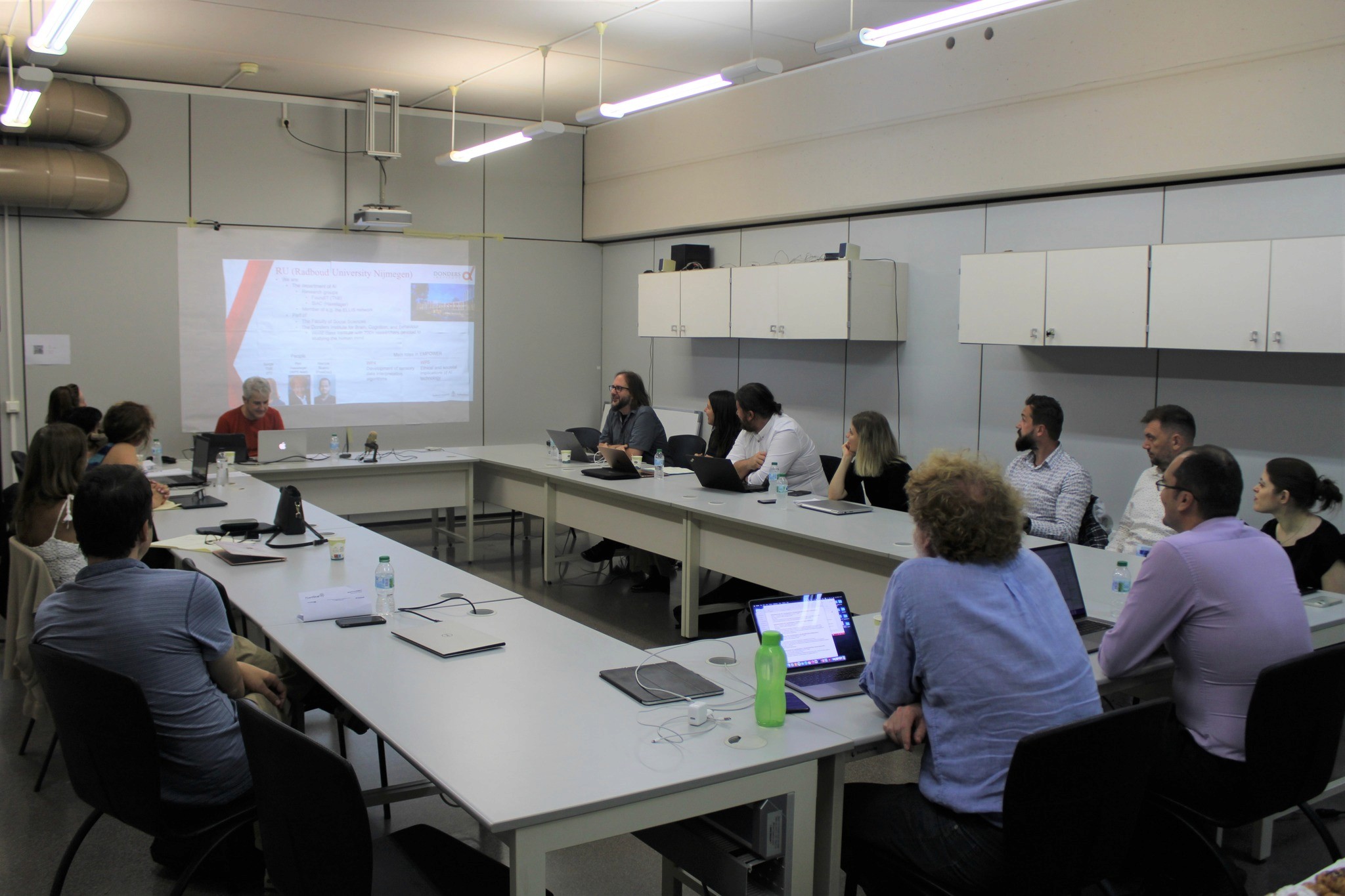
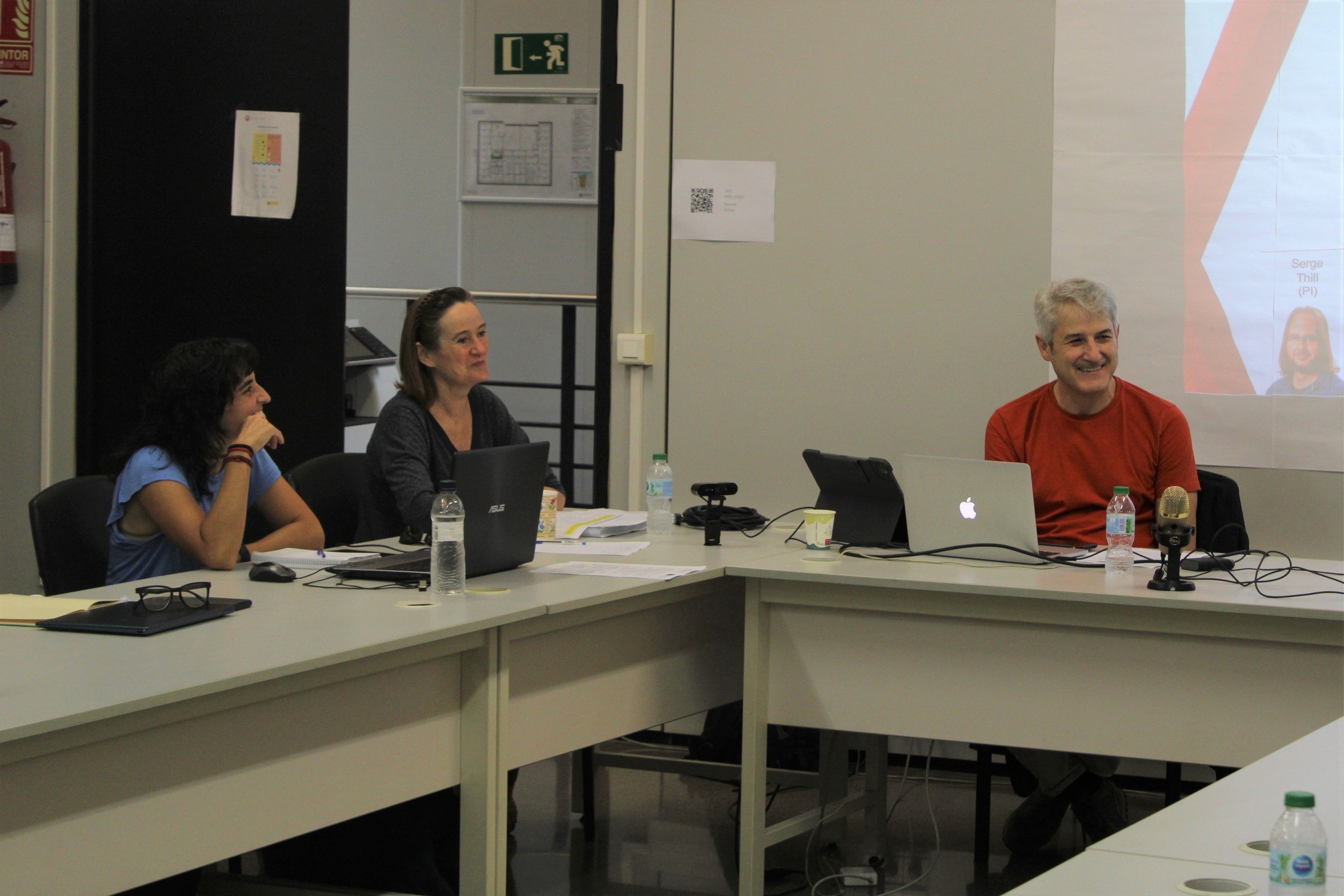
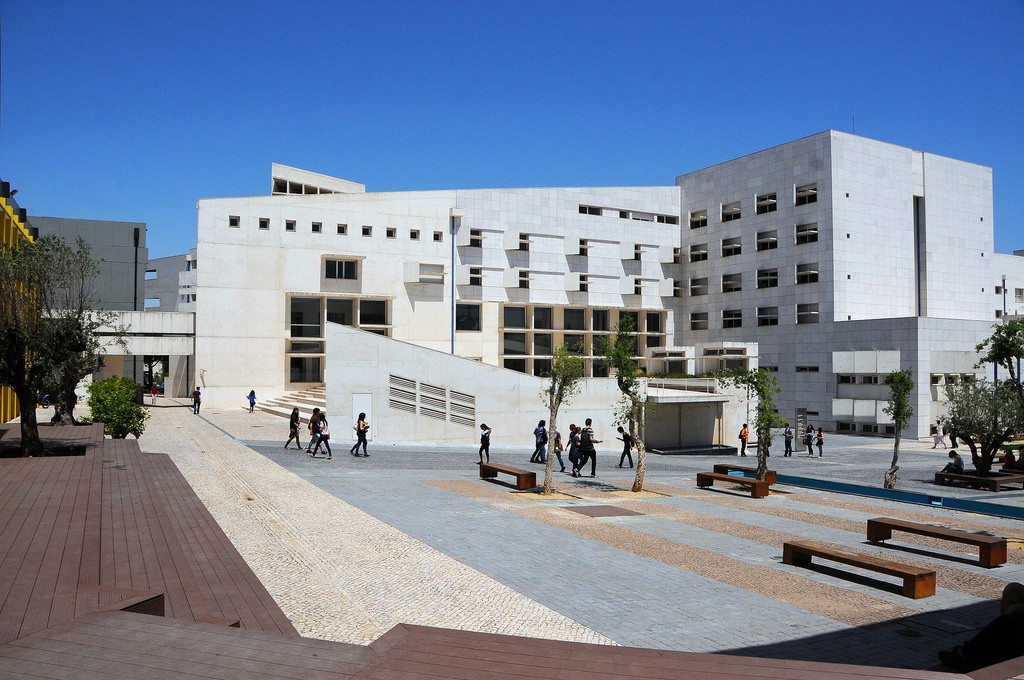
The consortium is made up of the University of Valencia, which coordinates this action from IRTIC, together with Babes‑Bolyai University of Romania and ISCTE – University Institute of Lisbon in Portugal, two research centres specialised in special education and psychology, as well as Radboud University Stichting in the Netherlands, the Institute for Systems and Computer Engineering in Portugal, Western University of Applied Sciences in Norway, and the Technical University of Cluj‑Napoca in Romania, which are four university departments in the technology field specialised in artificial intelligence, eye‑tracking and biosensors.
The Romanian company IT Data Telecom also participates in the project, being in charge of creating training content. The association Autism‑Europe, an organisation based in Brussels that brings together around one hundred organisations from more than 40 European countries, completes this consortium by leading the dissemination of the project’s results.
The European Commission’s Research Executive Agency (REA) co‑funds the project through the Horizon Europe Programme, after it was selected under the call “Inclusion in times of change”, in the “Transformations” call of the programme.